
Natural materials. Traditional methods. Furniture made to last.
At Swaethe we believe that how a piece of furniture is upholstered is just as important as how it looks.
Our approach is rooted in traditional upholstery, using natural and recycled materials wherever they are appropriate. Rather than relying on layers of synthetic foam and chemically treated materials, we use materials chosen for their performance, durability, feel and environmental qualities.
Many of the pieces we restore were originally made using natural materials and traditional construction methods. Our aim is not simply to make old furniture look new, but to restore it thoughtfully while respecting the way it was originally made.
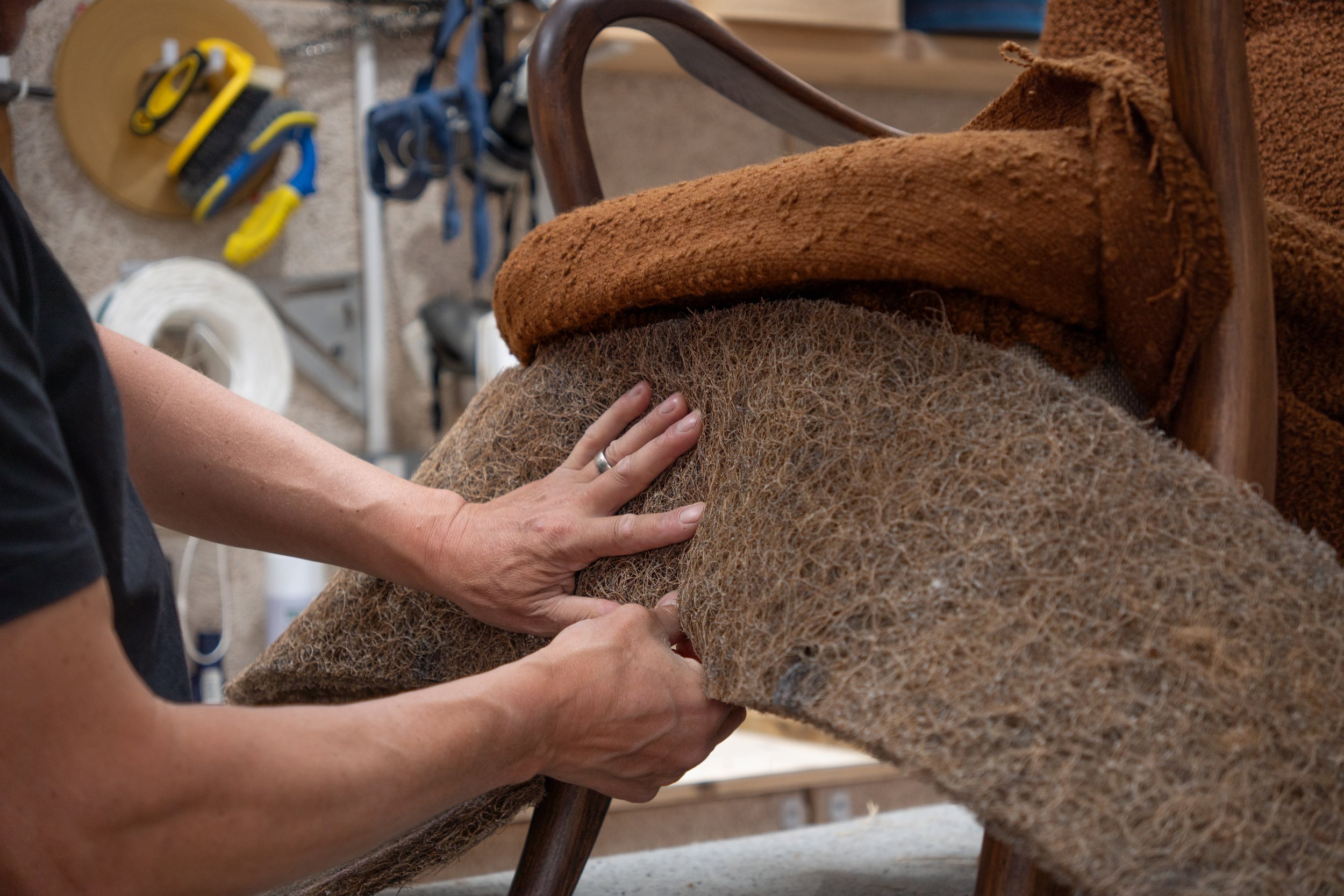
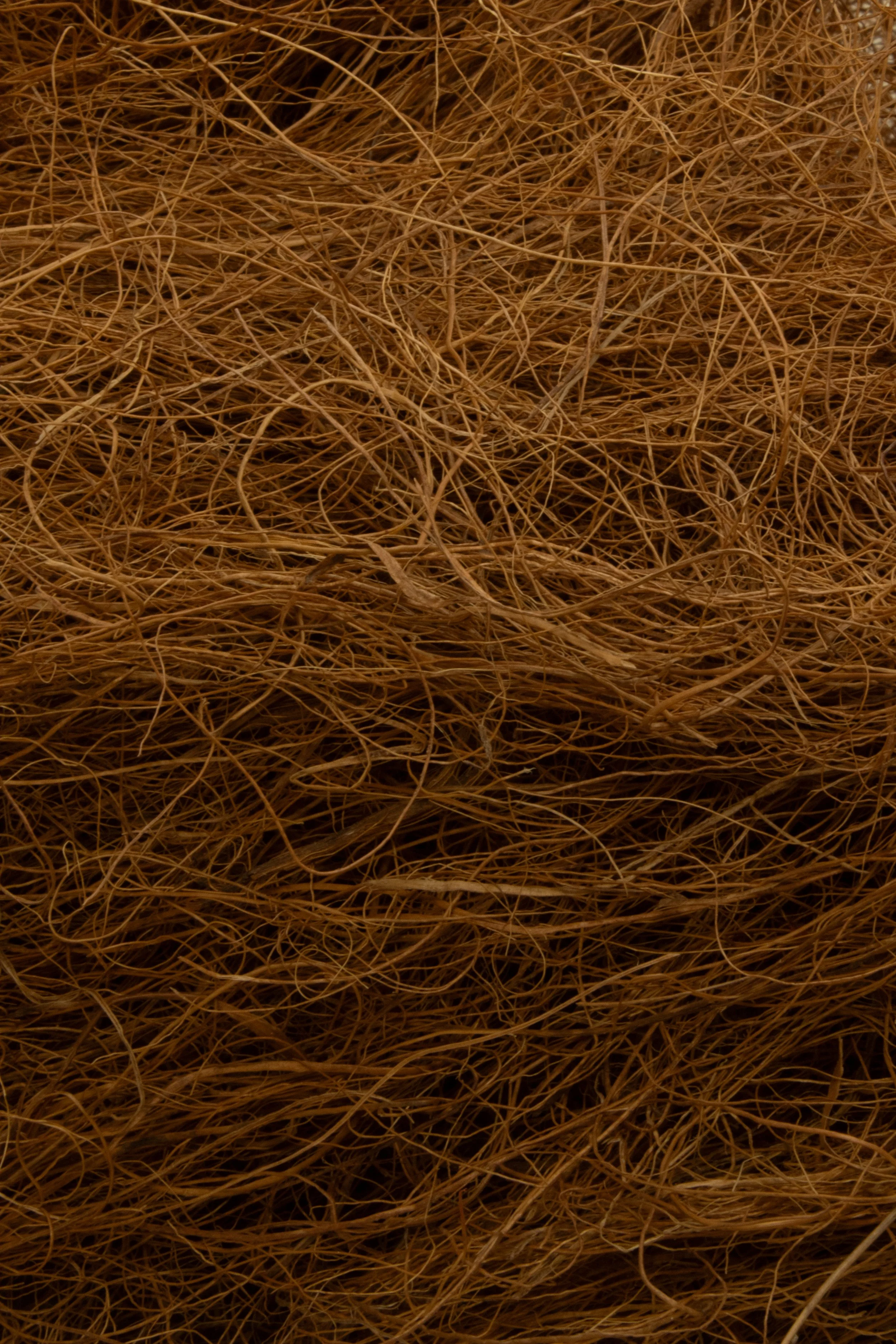
Coir is a natural fibre made from the husk of the coconut.
Strong, resilient and naturally breathable, coir has been used in traditional upholstery for generations. It provides structure and support within the upholstery while allowing air to circulate through the seat.
We use coir where appropriate as part of the traditional upholstery build-up, particularly in seats and other areas requiring resilience.
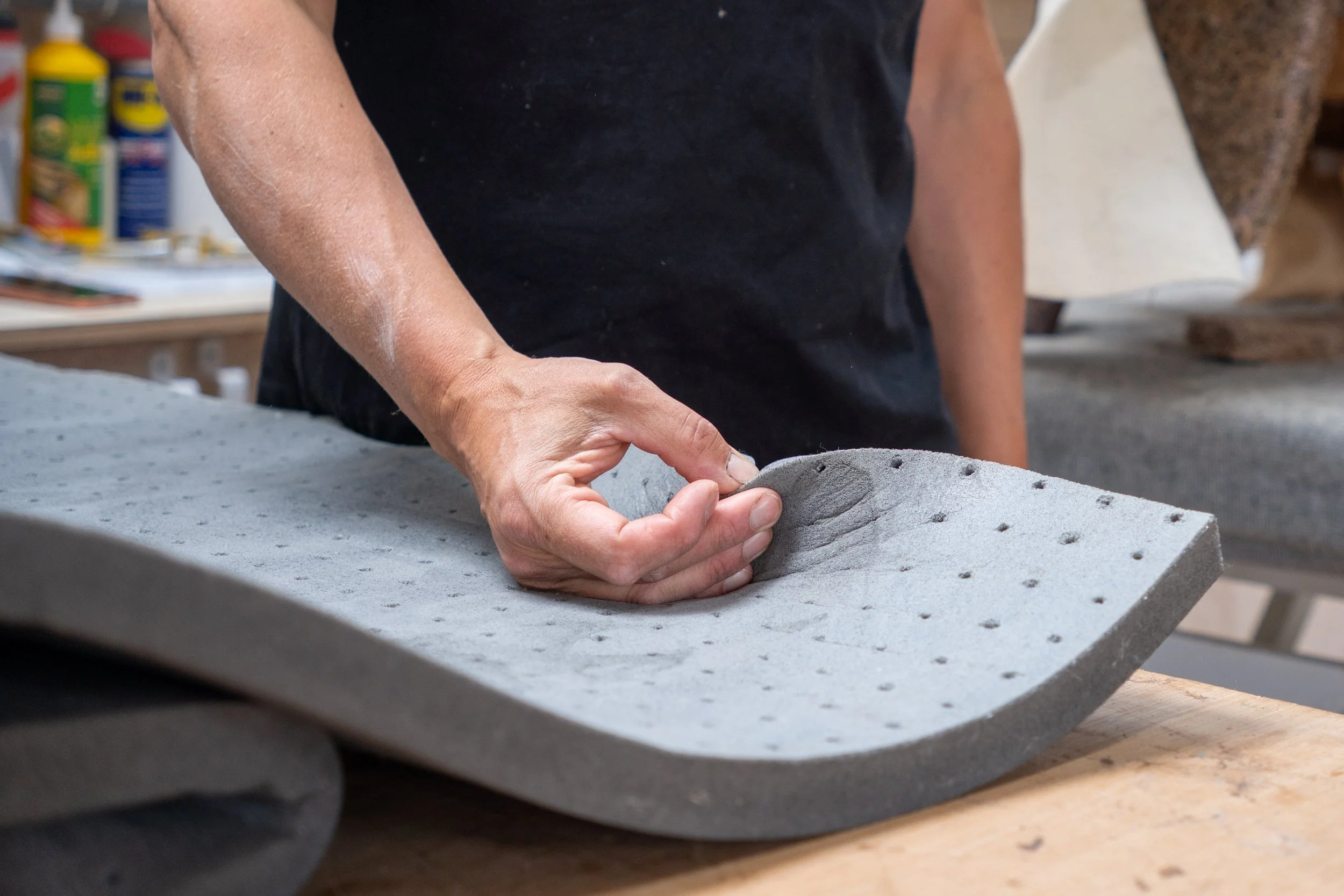
Where foam is appropriate, we use 100% natural latex foam.
Natural latex is produced from the sap of the rubber tree and provides a supportive, resilient and comfortable material for upholstery. Unlike conventional polyurethane foam, natural latex is derived from a renewable natural source.
Its resilience makes it particularly well suited to furniture that is intended to be used and enjoyed for many years.
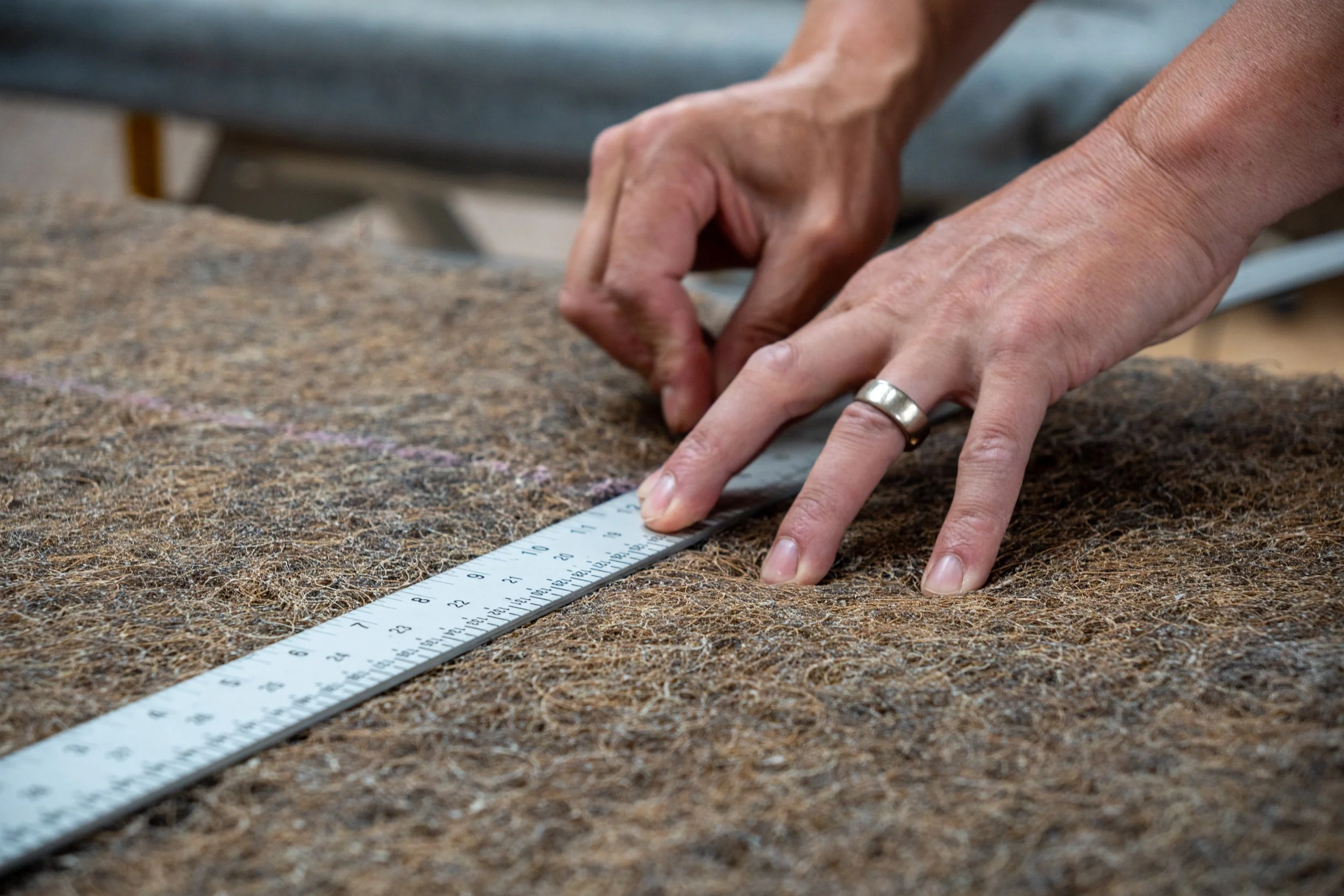
Rubberised coir and hair combine natural fibres with a natural rubber binder to create a resilient upholstery material.
It can be used as a firm supporting layer within an upholstered seat or back, providing structure while retaining the characteristics of natural fibres.
Where suitable, we use non-FR rubberised coir and hair as part of our upholstery construction.
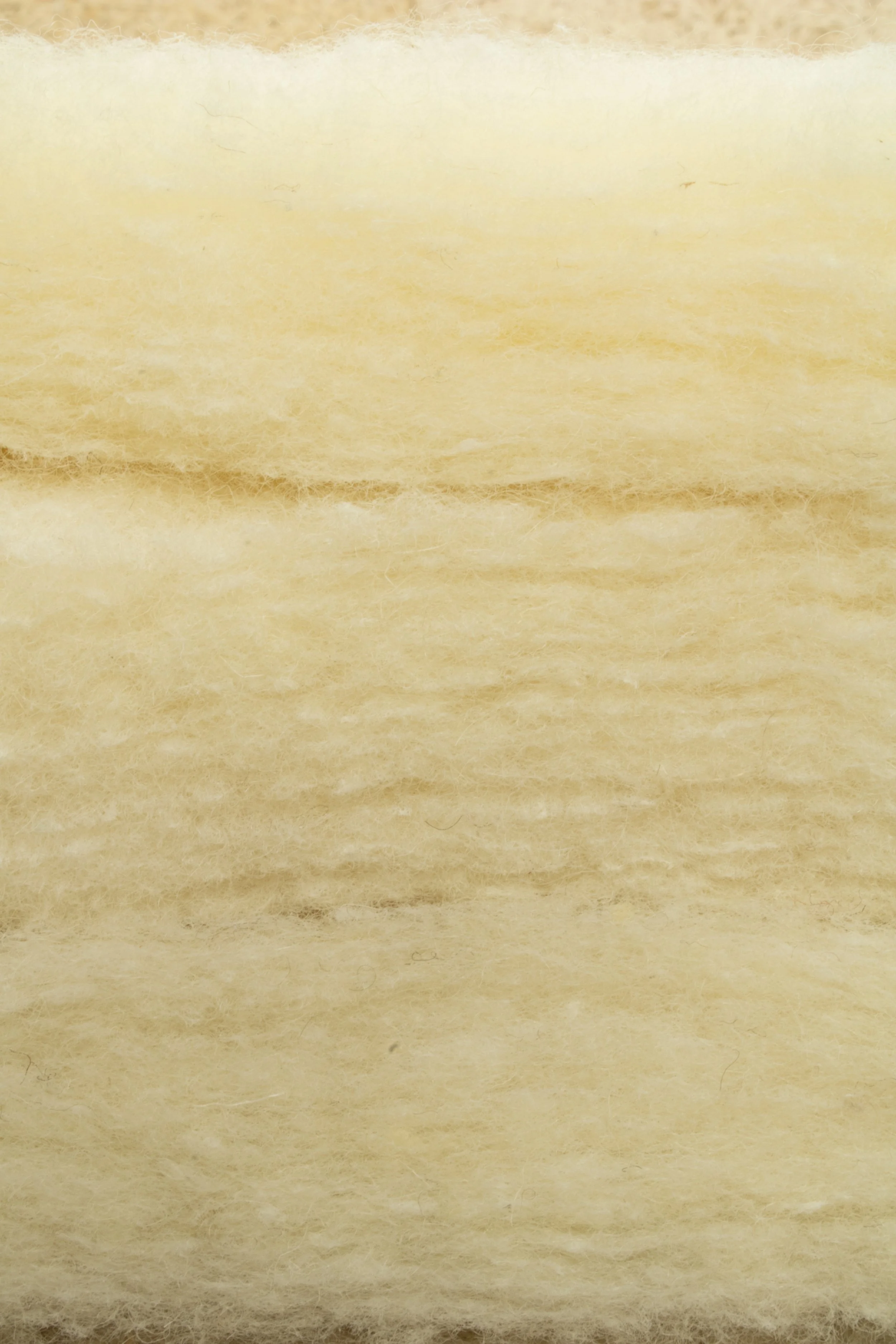
Wool is one of the most versatile natural fibres used in traditional upholstery.
It is resilient, breathable and naturally springy, making it particularly useful for creating comfortable upholstery layers. Wool can also help regulate moisture and temperature within the upholstery.
We use different grades and forms of wool depending on the requirements of each piece, from structural upholstery layers through to softer finishing layers.
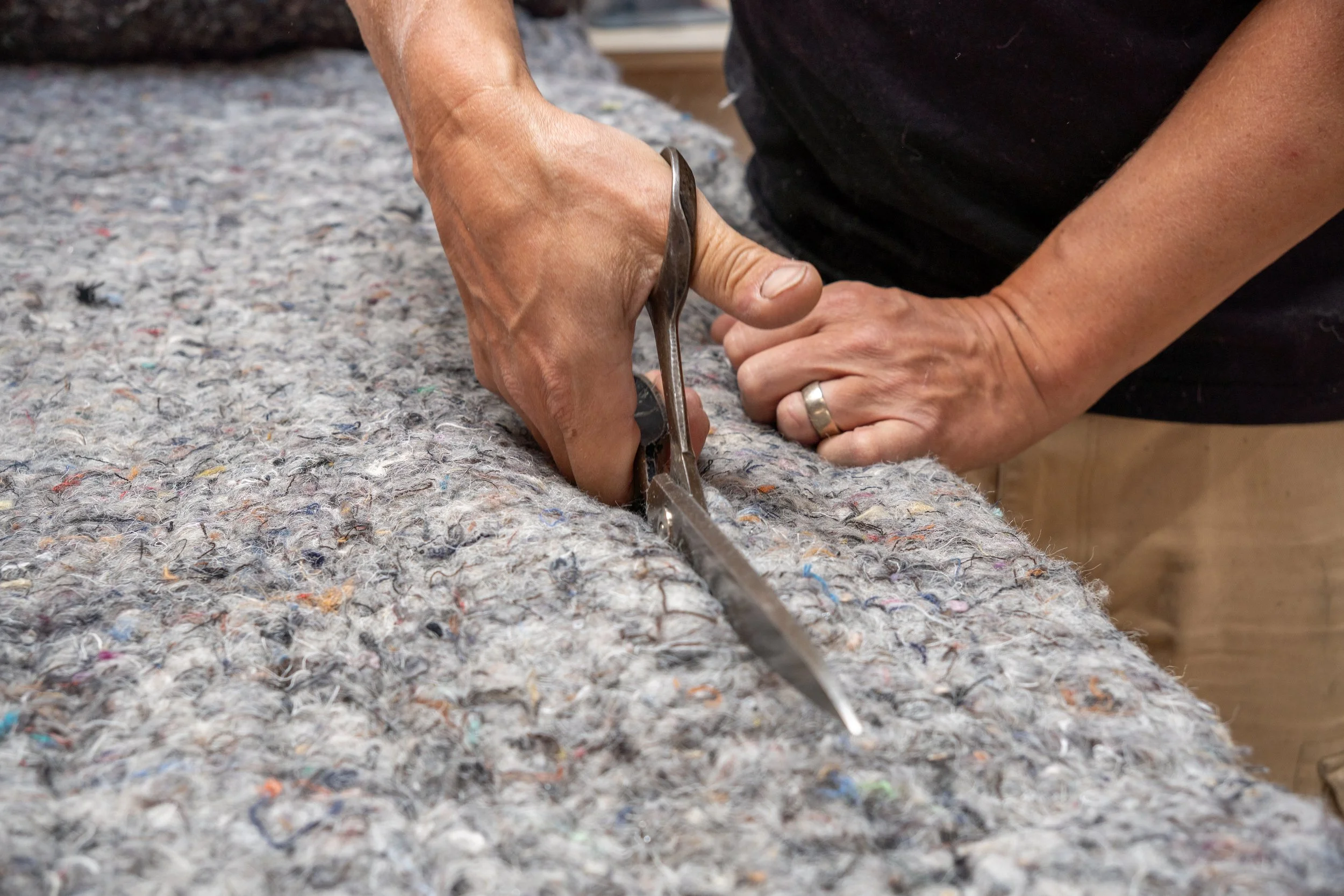
Recycled felted wool provides a useful way of incorporating reclaimed natural fibre into the upholstery process.
It can be used as a protective and cushioning layer between the upholstery structure and finishing fabric, helping to create a smooth, durable finish.
Using recycled wool allows us to make use of existing fibre resources rather than relying solely on newly produced materials.
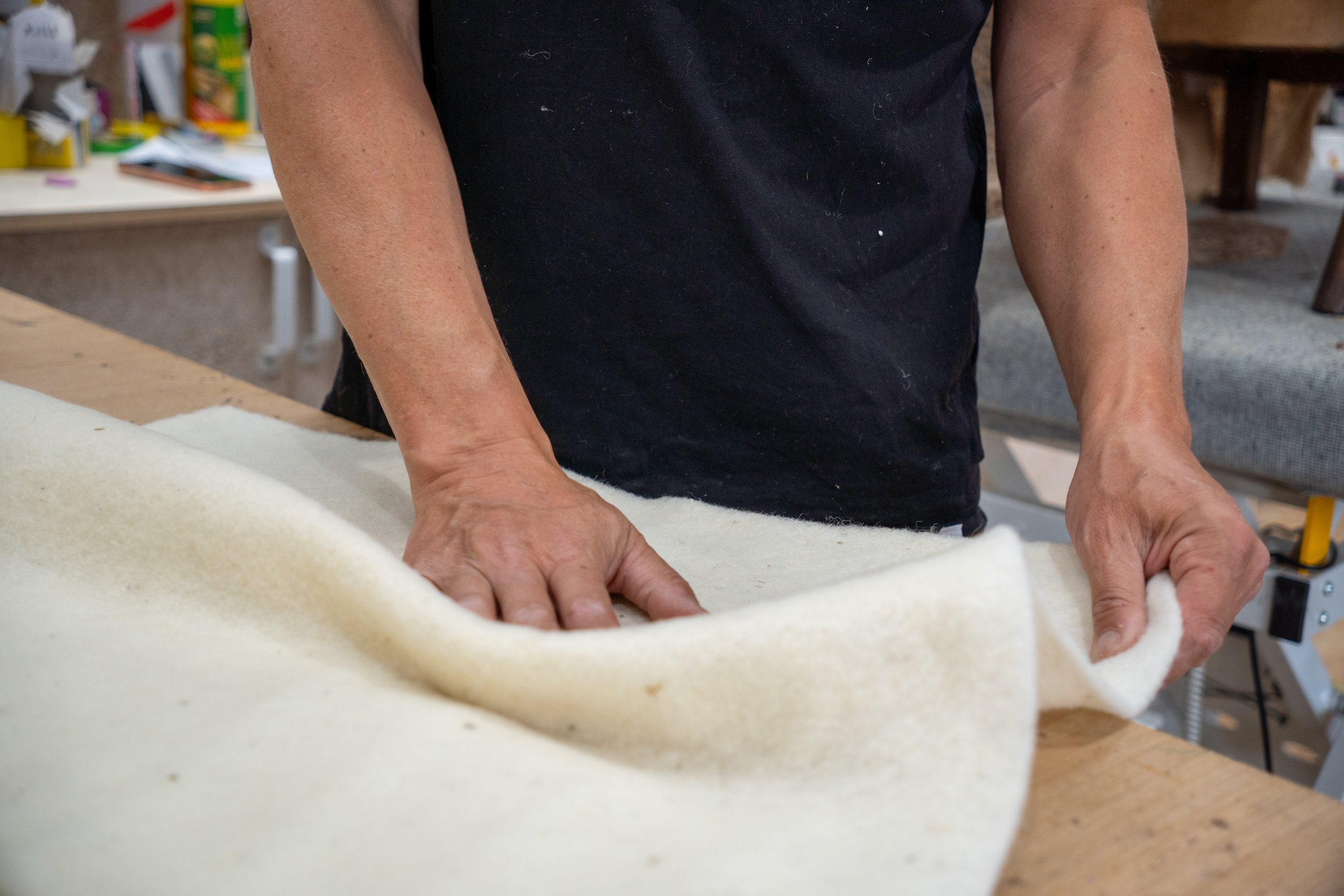
We use a premium wool, silk and cashmere blend as a skin wadding.
This fine natural layer sits beneath the finishing fabric and helps create the smooth, refined appearance associated with high-quality traditional upholstery.
We use it throughout our upholstery where appropriate, ensuring that the quality of the finished piece is matched by the quality of the materials and construction beneath the surface.
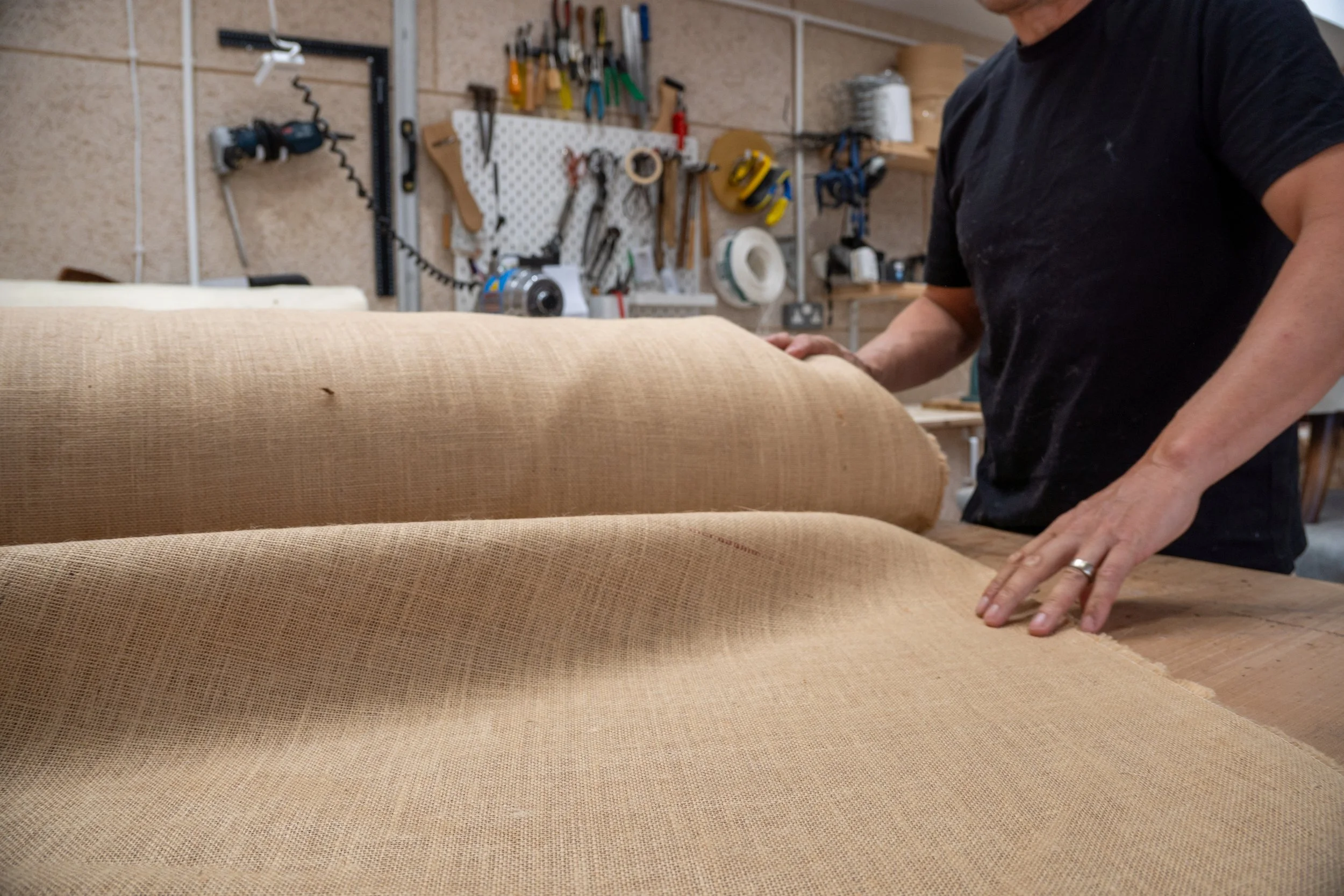
Hessian, also known as jute, is a natural plant fibre traditionally used in upholstery.
Its strength and open weave make it particularly useful for supporting upholstery materials and securing elements of traditional upholstery construction.
We use it where appropriate as part of the structural layers within a piece.
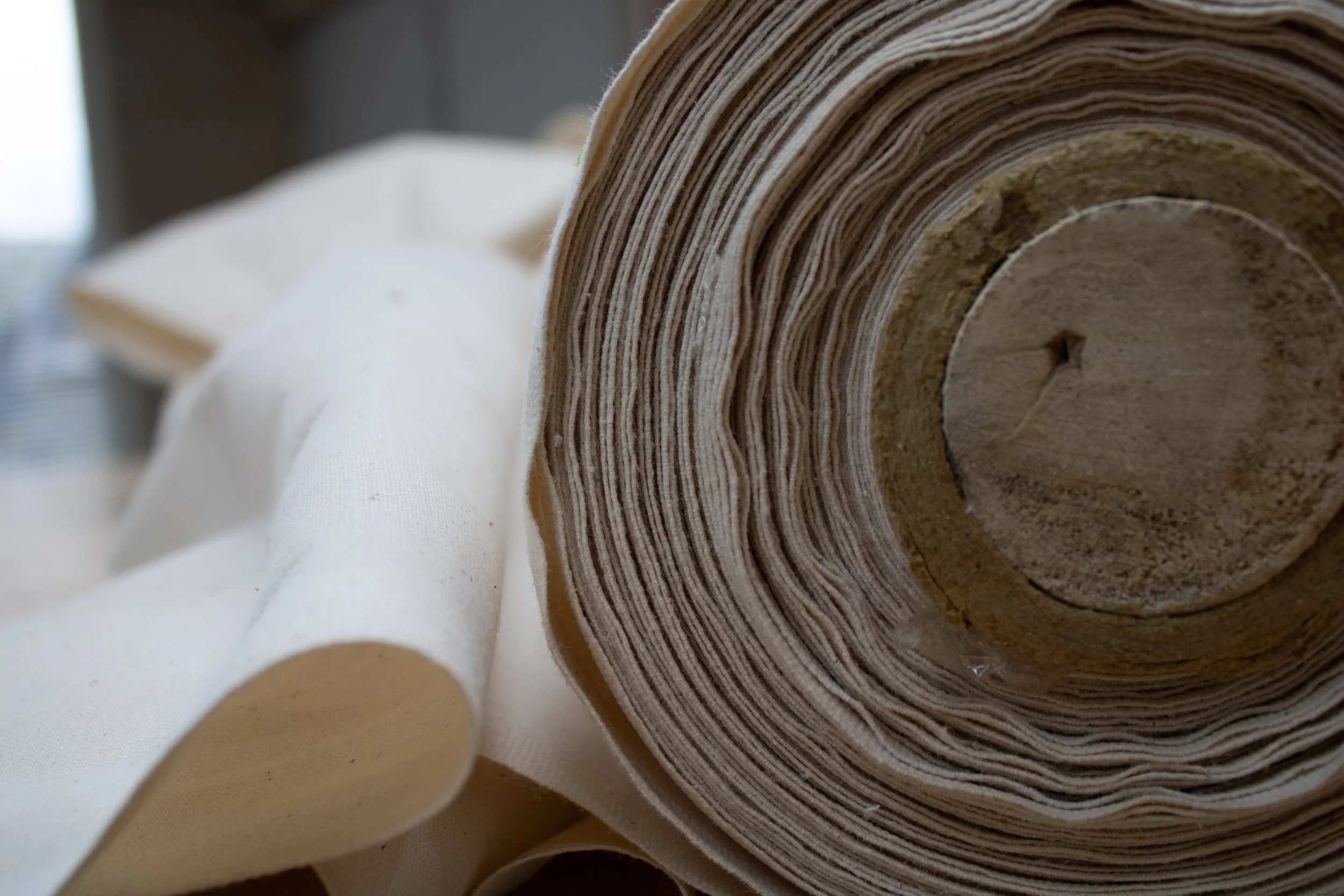
Calico is a natural cotton fabric traditionally used as part of the upholstery structure.
It can form an important layer beneath the final upholstery fabric, helping to contain and shape the underlying materials.
Traditional upholstery relies on a number of such layers, each performing a specific function. Calico is a simple but important part of that construction.
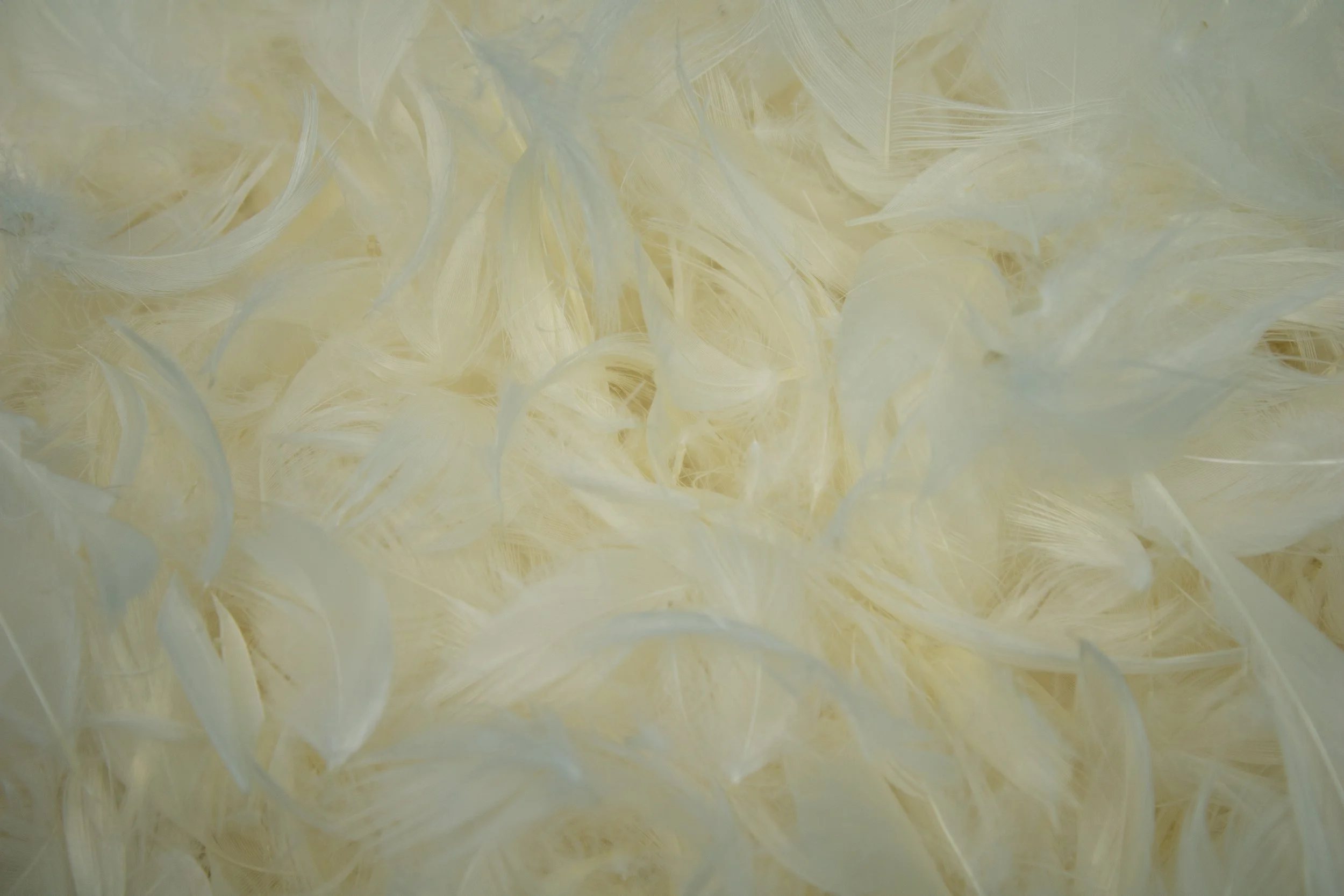
For loose seat and back cushions, we use duck and goose feather and down where appropriate.
Our feather and down fillings are sourced from certified suppliers with an emphasis on animal welfare and responsible sourcing.
Feather and down provide a soft, naturally adaptable filling that can be plumped and reshaped, giving upholstered furniture a relaxed and comfortable feel.
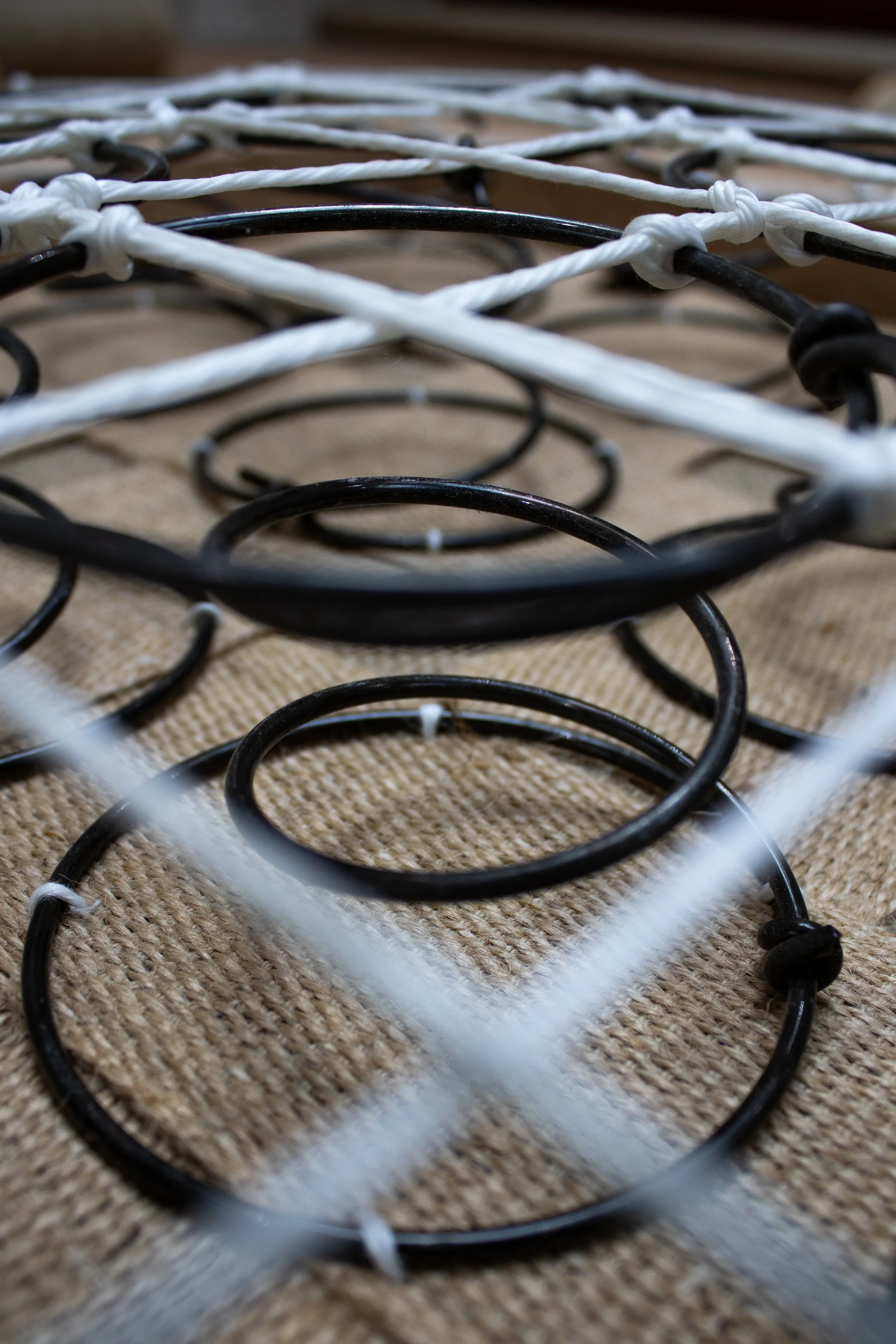
The foundation of an upholstered chair or sofa is often hidden beneath the layers of fabric, but it plays an essential role in the comfort, resilience and longevity of the finished piece.
At Swaethe, we consider the original spring construction as an important part of the furniture. Where appropriate, we retain, repair and restore original hand-tied coil springs, Danish sprung units and sprung cushions, rather than automatically replacing them with modern foam.
Traditional hand-tied coil springs are individually positioned within the seat and secured to a supporting foundation before being tied together using upholstery twine. The springs are connected in multiple directions to create a responsive and supportive sprung platform.
This construction allows the springs to work together rather than each spring functioning independently. The result is a seat with movement, resilience and support that responds naturally to the way it is used.
.
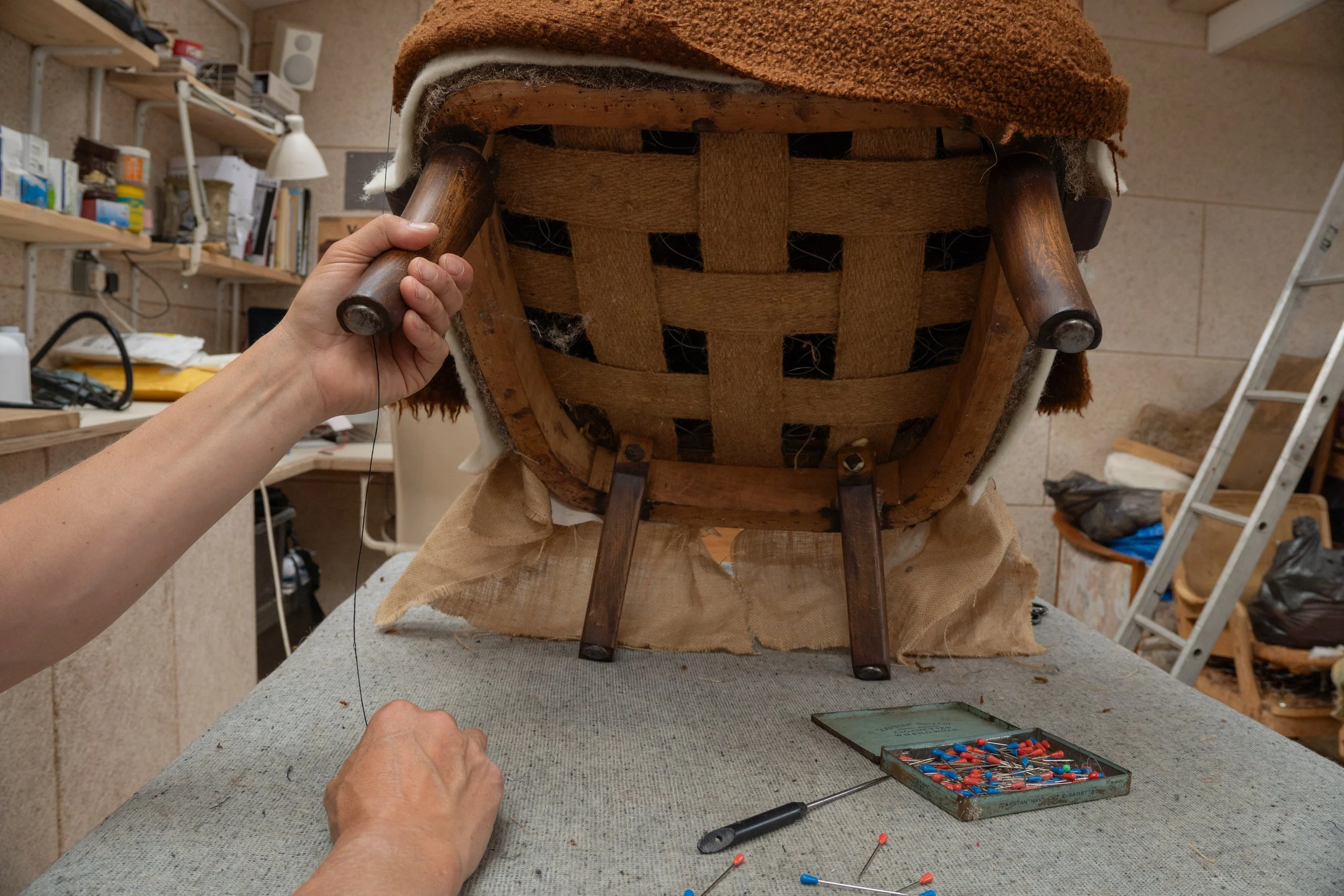
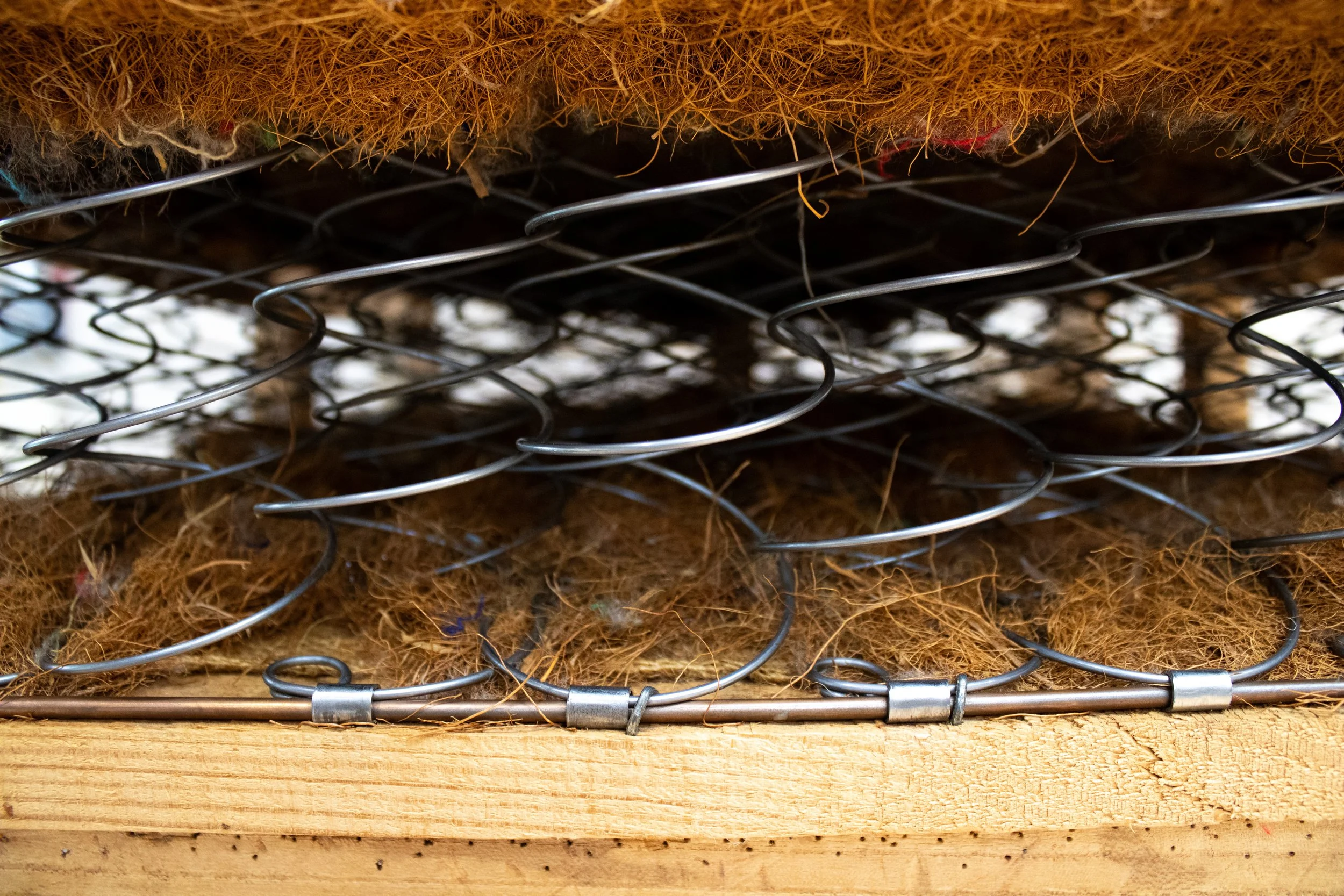
Where an original hand-tied spring foundation is sound, we prefer to preserve it as part of the restoration. Where necessary, individual springs, ties or supporting materials can be repaired or renewed while retaining the character of the original construction
Many mid-century Danish chairs and sofas use a different type of spring construction: pre-formed or interconnected Danish sprung units.
These can incorporate shaped steel springs or looped spring systems within a perimeter frame, creating a relatively shallow but flexible seat foundation. Distinctive loop-spring systems are documented in a number of Danish Modern chairs and can be an important part of their original construction.
When these original sprung units remain structurally sound, we retain and restore them wherever possible.
This is particularly important when restoring Scandinavian furniture because replacing an original sprung system with a modern foam cushion can fundamentally change the way the chair was designed to sit and move.
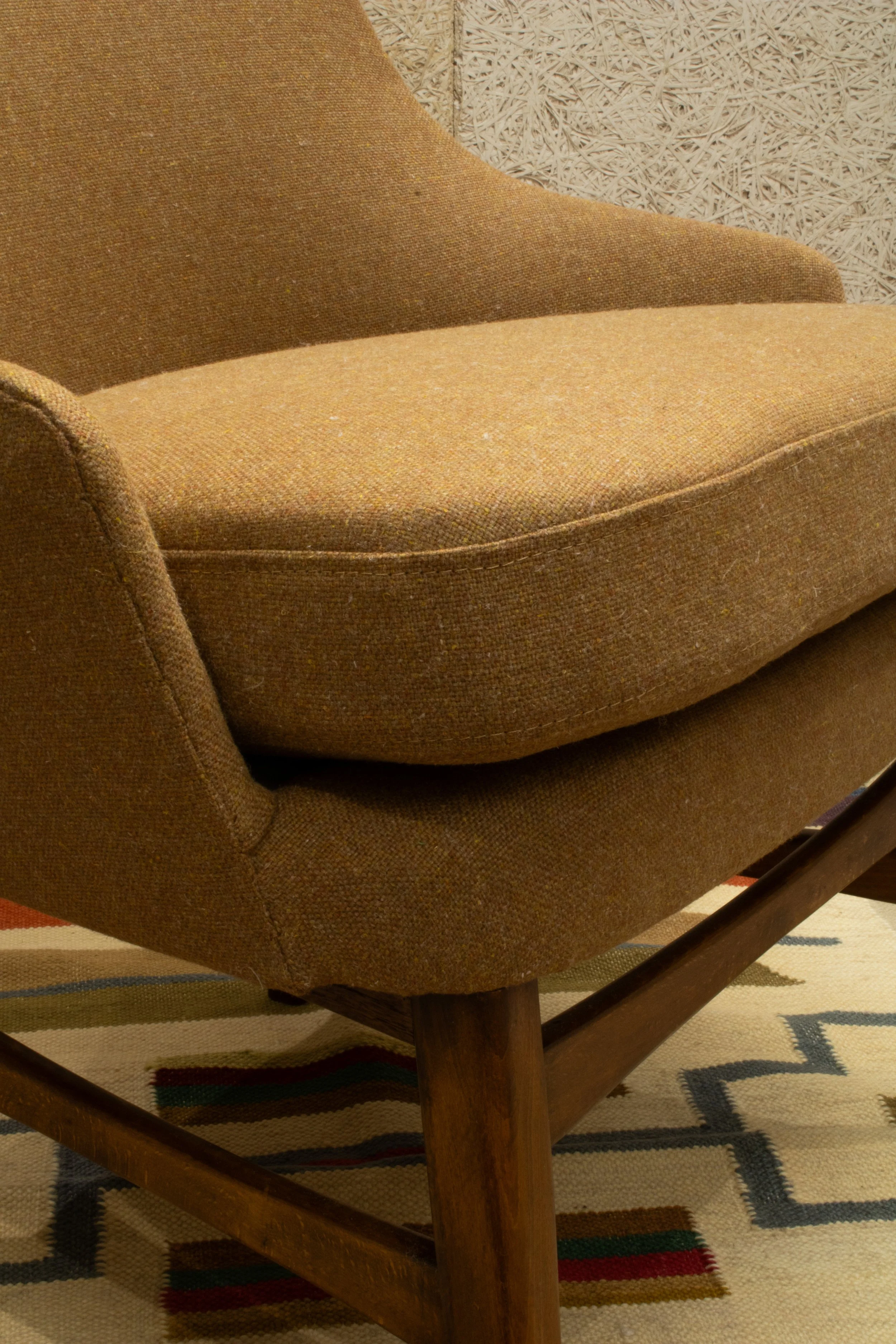
Some Danish and Scandinavian furniture was designed with independently sprung seat or back cushions.
These cushions contain their own spring structure, allowing the cushion to respond independently from the chair frame. Original sprung cushions can often be restored and rebuilt rather than discarded, preserving an important part of the furniture's original comfort and construction. Examples of restored sprung cushions are found in a number of mid-century Danish designs.
Where the original spring interior is suitable for restoration, we retain it and rebuild the surrounding upholstery using appropriate natural materials.
For us, the importance of spring construction goes beyond the springs themselves.
A well-designed upholstered seat works as a layered system. The springs provide the underlying movement and resilience, while materials such as coir, wool, natural latex and felt provide structure, cushioning, protection and shape.
Natural upholstery materials work particularly well with a sprung foundation because they can flex and recover with the movement of the seat rather than simply forming a rigid layer above it. Traditional upholstery commonly combines springs with materials such as coir, hair, felt and natural fibres.
The result is a more considered construction in which each material has a specific purpose.
Our approach is to restore the structure wherever possible, rather than replace it unnecessarily.
A vintage spring system that has survived for decades can often be repaired, cleaned, retied or rebuilt as part of the restoration. Replacing sound original components simply because modern alternatives are quicker is not consistent with our approach.
Where a spring system has deteriorated beyond practical repair, we will assess the furniture individually and select an appropriate replacement that respects the original design and construction.
For Swaethe, the aim is not to make every piece conform to one particular upholstery method. It is to understand how each chair or sofa was originally constructed and restore it appropriately.
The quality of a restored piece should not depend solely on what can be seen.
From the spring foundation and supporting materials to the final layer of upholstery fabric, every part contributes to the finished chair or sofa.
We believe the construction beneath the fabric should deserve the same attention as the fabric itself.
That is why we retain original sprung systems where possible and combine them with carefully selected natural upholstery materials to create furniture that is comfortable, durable and capable of being repaired and restored again in the future.
Natural Upholstery & Fire Retardants
A significant part of our approach is understanding what is actually inside an upholstered piece.
Much modern upholstery is constructed from synthetic foams and materials that may be treated with flame-retardant chemicals to meet contemporary regulations.
For appropriate vintage furniture, particularly pieces originally manufactured before the introduction of modern UK furniture fire-safety requirements, we can take a different approach using natural upholstery materials and construction methods.
Where legally and practically appropriate, we avoid the use of added FR chemicals in the upholstery materials we specify.
This does not mean that every piece can automatically be supplied without flame-retardant treatment. The requirements depend on the furniture, its intended use, its age, its construction and the circumstances in which it is supplied.
Our approach is always to consider the individual piece rather than applying a one-size-fits-all solution.
Why We Choose Natural Materials
Natural materials are not simply an environmental choice. They are also particularly well suited to traditional upholstery.
They can provide:
Natural resilience and spring
Breathability
A more natural feel and comfort
Repairability and longevity
Reduced reliance on synthetic materials
The ability to restore furniture using techniques closer to its original construction
For us, sustainability means more than choosing a particular material. The most sustainable piece of furniture is often the one that already exists and can be restored rather than replaced.
By combining carefully selected materials with skilled traditional upholstery, we aim to extend the life of well-made furniture for many more years.
Materials With Purpose
Every material used by Swaethe has a role to play.
From the coir and wool hidden within a seat to the final fabric that defines its appearance, the upholstery is built in layers, each contributing to the comfort, structure and longevity of the finished piece.
We believe good restoration should not hide the history of a piece. It should preserve its character, respect its original construction and give it another generation of useful life.